Q&A with Rodger Davis: Bridge-to-HUD Transactions and How They Work

Bridge-to-HUD financing is a strategic solution for skilled nursing facility operators seeking short-term capital while preparing for long-term HUD-insured loans.
When structured correctly, it improves HUD execution certainty, supports value-add improvements, and reduces refinancing risk.
Key Takeaways:
- Enables quick closings (60–75 days) while positioning for HUD 232 refinancing
- Typical terms: 24–36 months, ~75–77% LTV, variable SOFR-based pricing
- Closing costs often average 1.5%–2.0% of the loan amount
- Optimized structures account for HUD requirements from day one
- Experienced lenders mitigate risk through sponsor quality, Medicaid analysis, and HUD eligibility planning
Table of Contents
- Introduction: Why Bridge-to-HUD Financing Matters
- What Is a Bridge-to-HUD Loan?
- Key Benefits: Speed, Flexibility, and Execution Certainty
- Timeline, Costs, and Capital Planning Considerations
- Typical Loan Structure and Underwriting Terms
- What Sets the Best Bridge-to-HUD Lenders Apart
- Critical Factors to Evaluate in Bridge-to-HUD Transactions
- How Lenders Assess Risk and HUD Refinance Viability
- Market Outlook for Bridge-to-HUD Financing
- Conclusion: Optimizing Your Bridge-to-HUD Strategy
Securing financing for skilled nursing facilities requires strategic planning, especially when positioning properties for long-term HUD-insured loans. Bridge-to-HUD financing provides a critical pathway for owner-operators who need quick access to capital while preparing for permanent financing.
In this Q&A, Rodger Davis, Managing Director at Ikaria Capital Group, shares key strategies for optimizing your bridge-to-HUD transactions. Rodger shares practical insights on utilizing bridge loans to successfully secure long-term financing while navigating the complexities of the HUD program.
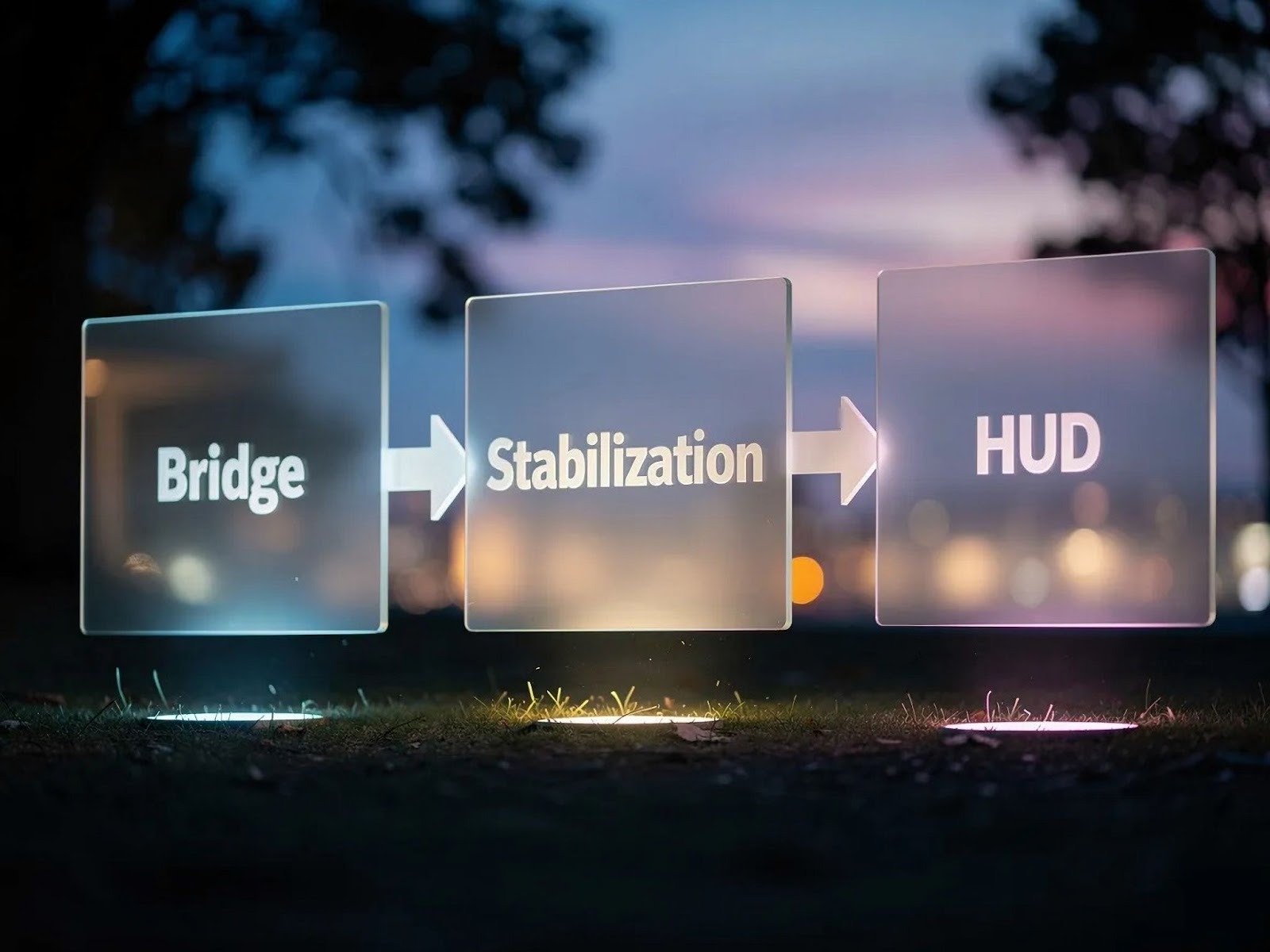
Q: What is a Bridge-to-HUD loan?
A: A bridge-to-HUD loan is a short-term loan that provides quick access to capital while positioning borrowers for long-term financing through the Department of Housing and Urban Development. These bridge loans typically span two to three years.
Bridge financing is important for two primary reasons:
- Creates “Runway” for Value-Add Opportunities: Bridge loans allow buyers the time to improve and stabilize facilities before transitioning to HUD. This is particularly valuable for properties requiring operational improvements or switching operators.
- Execution Speed: These loans can be closed more quickly than traditional HUD loans, typically within 60-75 days. This faster timeline better aligns with seller expectations and purchase and sale agreement (PSA) requirements, giving borrowers a competitive advantage in acquisition execution.

Q: Are there timeline and cost considerations to be aware of?
A: Borrowers often see total closing costs in the low‑single‑digit percentage range of the loan amount, typically around 1.50%–2.00%, depending on lender structure, legal complexity, and third‑party requirements.
Q: What are the typical underwriting terms and structure?
A: While terms can vary significantly based on property type and borrower profile, bridge-to-HUD loans generally follow these structural parameters:
Loan-to-Value (LTV) Ratios
Bridge-to-HUD loans are typically structured at approximately 75-77% of the as-stabilized value expected to be approved by HUD. This approach leaves adequate room for HUD closing costs, since permanent HUD loans can max out at 80% loan-to-value.
For acquisitions involving significant turnaround opportunities, the loan may represent substantially higher leverage on a loan-to-cost (LTC) basis, providing the capital needed for repositioning and operational improvements.
Loan Duration and Extensions
Bridge-to-HUD loans commonly extend 24-36 months with built-in extension options. This flexibility accommodates varying stabilization timelines and ensures borrowers have adequate time to achieve target occupancy and operational metrics before refinancing with HUD.
Interest Rates and Pricing
These loans are typically priced on a variable rate spread basis to the SOFR index (Secured Overnight Financing Rate). Depending on the leverage and risk profile of the transaction, lenders may or may not require personal and/or corporate guarantees.

Q: What separates the best Bridge-to-HUD lenders?
A: The best bridge-to-HUD lenders distinguish themselves by structuring loans from inception to optimize the eventual HUD refinance, a proactive approach that saves time, reduces complications, and streamlines the transition.
Deep HUD Handbook Knowledge
The best lenders maintain expertise beyond simply understanding HUD regulations. They stay current on:
- Current HUD processing environment and timelines
- Recent precedents in HUD approval decisions
- Common issues that can delay or derail HUD applications
- Opportunities within programs like Express Lane for expedited processing

Q: What critical factors should be considered when evaluating Bridge-to-HUD loans?
A: Borrowers should carefully consider several key elements when structuring their bridge-to-HUD financing:
- Loan Duration Based on Performance: What duration is necessary based on current facility performance versus stabilized performance targets? Properties requiring significant improvements need a longer runway before HUD refinancing.
- Future Advance Provisions: Will you need additional capital advances as the property value increases? Building flexibility for future funding can support ongoing improvements and value creation.
- Interest-Only Period: Will there be an interest-only period? If so, for how long, and how significantly will debt service payments change when amortization begins? Understanding cash flow impact is crucial for financial planning.
- Interest Rate Caps: Does the current rate environment or the specific lender's terms make an interest rate cap necessary? Rate caps protect against rising interest rates in volatile markets.
- Exit Provisions: What are the prepayment and exit fee provisions? Understanding flexibility and costs for early repayment is essential, particularly if market conditions enable faster refinancing.
- Guarantee Requirements: Are personal guarantees required? The guarantee structure impacts both risk allocation and borrower liquidity.

Q: How do Bridge-to-HUD lenders evaluate risk?
A: As the bridge lender and ultimate HUD lender, Ikaria Capital Group focuses intensely on mitigating the risk that a facility cannot be successfully refinanced with HUD.
Sponsor Quality and Track Record
- Whether the borrower has a proven track record of successfully executing similar transactions
- Experience operating in the same geographic market
- Financial strength to absorb pressure if interest rates increase or if the repositioning strategy requires more time than anticipated
Market and Medicaid Environment
- Current Medicaid reimbursement rates in the property's location
- Potential risks for rate reductions or negative policy changes in the near to medium term
- Overall stability and predictability of the state's Medicaid program
HUD Eligibility Considerations
- Prior HUD loan performance issues with the sponsor
- Environmental concerns or required remediation
- Seismic requirements in certain geographic areas
- Other property-specific factors that may impact the HUD approval timeline or likelihood

Q: What is your market outlook for the next 12 months?
A: The bridge-to-HUD lending space is positioned for increased competition and growth over the coming year.
Positive Program Momentum
The HUD 232 program has demonstrated strong positive momentum with two significant developments:
Express Lane Launch: This expedited processing track reduces timelines for qualified borrowers and projects, strengthening deal execution.
Enhanced Repair Capacity: HUD has expanded repair funding capacity for refinance transactions, enabling borrowers to incorporate necessary improvements into their long-term financing.
Strategic Approach for Success
For lenders, success in this evolving market requires balancing aggressive growth with disciplined underwriting. The most sustainable approach focuses on partnering with high-quality sponsors and experienced operators who can successfully execute value-add strategies while maintaining an acceptable risk profile for eventual HUD refinancing.

Conclusion: Optimizing Your Bridge-to-HUD Strategy
Successful Bridge-to-HUD financing requires careful consideration of loan structure, selection of experienced lenders with deep HUD expertise, and realistic planning around property stabilization timelines.
By understanding the critical evaluation factors, from loan duration and interest-only periods to guarantee requirements and exit provisions, borrowers can structure transactions that maximize flexibility while minimizing risk.
An optimized bridge-to-HUD transaction provides the capital access and strategic flexibility to achieve your real estate investment objectives.